
Power outage at home: choose the essentials before buying backup power
Start with the people and the loads that matter. A larger battery is useful only when its connections, output and energy reserve fit the job.
Make light and information easy to reach
Keep a flashlight or headlamp where you can find it in the dark, with a charging or spare-battery plan. A lantern serves a shared room; a headlamp makes a repair or a trip to the supplies easier.
Have a broadcast-radio option and local emergency information available before the connection fails. A charged phone reserve is useful, but avoid spending it as the main room light.
Write down the loads before selecting a station
For every essential device, record running watts, any startup demand and the hours of operation needed. Check the actual supply voltage and frequency. A battery with a large watt-hour figure can still have an output that does not suit the appliance.
A 50W continuous load for eight hours needs 400Wh at the load before conversion losses. A cooking heater or space heater can use that same reserve much faster. Treat a runtime calculation as an estimate and test the actual setup before relying on it.
Keep the water and household plan separate
Store safe water and food that fit your household, including personal medication and supplies for children or pets. A power station does not repair a water supply, make an unsafe source drinkable or replace a plan for temperature-sensitive essentials.
Use the right backup in the right location
Fuel generators belong outdoors, more than 20 feet from windows, doors and vents, with exhaust directed away. They must never run in a home or garage. A carbon monoxide alarm adds warning; it does not make an unsafe generator position acceptable.
For appliances with important consequences if power fails, follow the device supplier and your relevant professional support when planning backup. Do not rely on an untested generic runtime claim.
Sources and scope
- Virginia Department of Health: emergency supplies
- CDC: carbon monoxide prevention and generators
- FOSSiBOT F2400 2,048Wh power station: catalog details and documentation
- Energizer PRO-400 rechargeable headlamps — two pack: catalog details and documentation
Product comparisons describe the documented catalog, not physical testing by ZeroGridGear. Follow official local guidance, the exact equipment instructions and appropriate professional advice for your situation.
Explore the relevant equipment
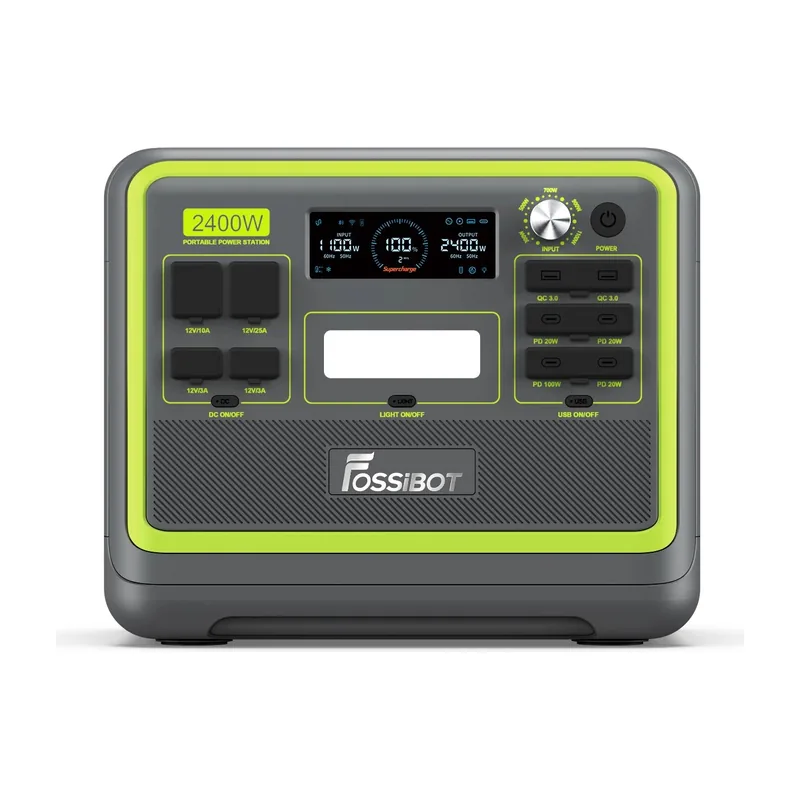
FOSSiBOT F2400 2,048Wh power station
2,048Wh LiFePO4; stated 2,400W output
A larger battery power station for comparing several hours of essential loads against a compact camping unit. Capacity determines duration; output power determines which loads can run together.
Read details and limitsEnergizer PRO-400 rechargeable headlamps — two pack
PRO-400 selection; two rechargeable headlamps
A named Energizer option selected for the generic USB-rechargeable headlamp task.
Read details and limits